%2Ffit-in%2F250x250%2Fguide_websites%2F7036%2Fimages%2F118155566_105023434668405_8479201486153865090_n-removebg-preview.png&w=1920&q=100)
Chum Salmon Fishing in Montesano WA
Chum Salmon Fishing in Montesano - What to Expect
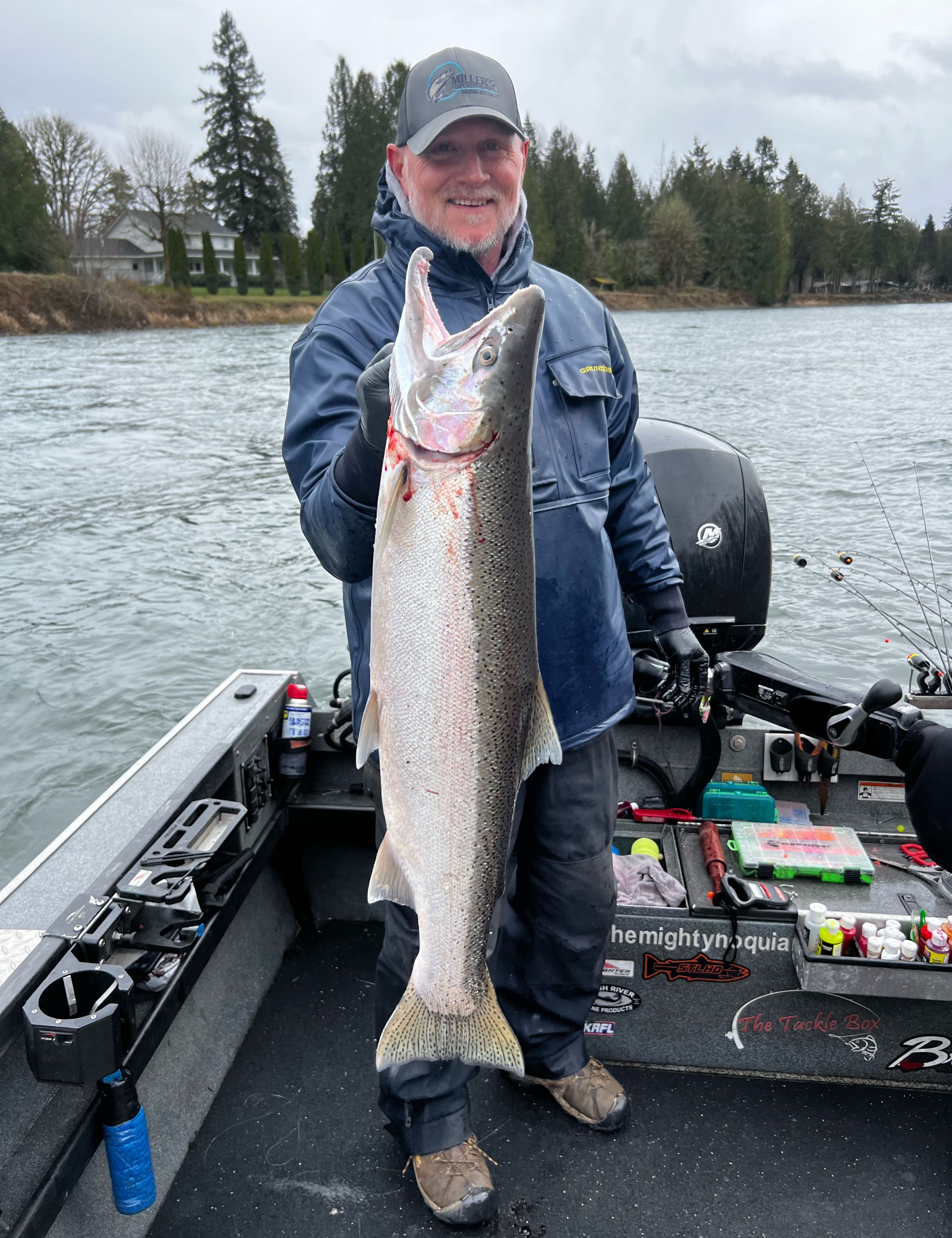
%2F%2Fusers%2Fab577d58-d6ce-405a-bfc9-0b9c66413b3f%2Fimages%2Fchum-salmon-montesano-fishing-catch-2698.jpg&w=1920&q=75)
Fishing Charter by Captain Jim Miller in June
- Washington's Finest: Salmon & Steelhead Fishing!


Summary
Landing a chum salmon on the waters near Montesano during a Monday fishing charter offers a rewarding encounter with one of the Pacific Northwest's most prized catches. Captain Jim Miller of Miller's Sportfishing guides anglers through productive fishing grounds where chum salmon are actively pursuing prey in Washington's coastal waters.
Fishing Charter with Captain Jim Miller - Rates & Booking
Captain Jim Miller of Miller's Sportfishing ran a fishing charter out of Montesano on Monday, June 23rd. This charter focuses on chum salmon, one of the region's most spirited fighters and a favorite for both experienced and newer anglers seeking genuine saltwater fishing action.
The fishing charter experience includes access to proven fishing grounds where chum salmon are actively feeding. Miller's Sportfishing provides expert guidance on technique, timing, and location to maximize your chances of connecting with these hard-fighting fish. The charter centers on hands-on fishing in Washington's productive coastal waters.
To book your own chum salmon charter experience or learn more about availability and rates, reach out directly to Miller's Sportfishing in Montesano. Captain Jim's local knowledge of seasonal patterns and productive fishing areas makes this charter a solid choice for anyone serious about salmon fishing in Washington.
Highlights of Chum Salmon Fishing
Chum salmon are known for their aggressive strikes and powerful runs, making them an exciting target on the rod. When conditions align and the fish are feeding, the action can be fast-paced and rewarding. Landing a chum on the boat deck represents the culmination of reading water conditions, proper technique, and patience on the water.
Montesano's location provides access to coastal and nearshore waters where chum salmon are present seasonally. The transition from early summer into peak season often brings consistent opportunities for encounters with aggressive, eager-to-bite chum salmon.
Local Species Insights: Chum Salmon
Chum salmon are a species well-adapted to Pacific Northwest waters and available seasonally throughout Washington's coastal regions. These fish are characterized by their strength and willingness to strike, which is why they've earned respect among anglers throughout the region.
Chum salmon inhabit coastal waters and estuaries, where they feed on smaller fish and crustaceans in preparation for their upstream spawning migration. Their arrival in summer and fall months creates distinct fishing windows when they're most aggressive and accessible to charter operations. Unlike some other salmon species that can be more selective about lures and techniques, chum salmon often respond well to properly presented offerings, making them a forgiving species for anglers developing their saltwater skills.
The behavior of chum salmon is shaped by their lifecycle. As they prepare to enter rivers, their feeding intensity peaks, and their territorial nature makes them responsive to fishing pressure. Montesano's location near productive chum salmon habitat means Captain Jim Miller can position the boat where these fish are actively moving through deeper channels and feeding zones. The deck setup visible in the catch photo demonstrates the practical, no-frills approach typical of working fishing boats in the region.
Understanding seasonal timing is crucial for chum salmon fishing success. The months around June and beyond represent an important window when chum salmon are transitioning through coastal waters in strong numbers. Water temperature, tide cycles, and forage availability all influence where and when these fish congregate, and experienced guides like Miller adjust their approach daily based on what's happening on the water.
Fishing in Washington: Chum Salmon
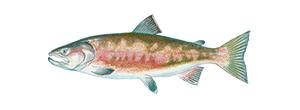
Chum Salmon Overview
The Chum Salmon (Oncorhynchus keta) belongs to the family Salmonidae within the order Salmoniformes, and is one of the Pacific's most widely distributed salmon species. Known for their impressive long-distance migrations and dramatic color transformations, these anadromous fish are a favorite among anglers seeking a challenging and rewarding experience. Often overlooked compared to their chinook and coho cousins, chum salmon are actually excellent game fish that provide thrilling battles and good eating. Whether you're exploring the rivers of Alaska or fishing the coastal waters near Puget Sound, encountering a mature chum salmon in full spawning regalia is an unforgettable outdoor adventure.
Chum Salmon Habitat and Distribution
Chum salmon are remarkable travelers, undertaking the longest migrations of all Pacific salmon species—some individuals travel up to 2,000 miles from the open ocean back to the rivers where they were born to spawn. These fish are found throughout the North Pacific Ocean, from coastal waters to Arctic regions. Their range extends across Alaska, throughout British Columbia's river systems including the Stave River, Harrison River, and Chilliwack River, down the West Coast to Oregon's Yaquina Bay, and throughout Puget Sound in Washington. In the ocean, they prefer depths around 42 feet during the day, but at night they move closer to the surface at approximately 16 feet. Adult chum salmon thrive in temperatures between 39.92°F and 77.9°F, while fry prefer cooler waters between 53.6°F and 57.2°F. The chum salmon's widespread distribution makes it accessible to anglers across numerous regions, offering diverse fishing opportunities year-round.
Chum Salmon Size and Weight
The chum salmon is a medium-sized fish that typically averages around 24 inches in length and weighs between 9.7 to 22 pounds. However, trophy specimens can reach impressive dimensions—the world record stands at 42 inches and 42 pounds, showcasing the potential for landing exceptional fish. Most anglers can expect to catch fish in the 20- to 30-pound range during peak seasons, making them a substantial and rewarding catch. These fish are built for power rather than extreme size, with robust bodies well-suited for their epic upstream migrations and powerful runs when hooked. The average cruising speed of chum salmon is between 1 and 1.8 mph, though they can burst much faster when evading predators or responding to lures during the fishing experience.
Chum Salmon Diet and Behavior
Throughout their ocean phase, chum salmon are active predators feeding on a diverse diet including small fishes, mollusks, and squid. Their feeding behavior changes dramatically as they approach freshwater, with their metabolism shifting to focus energy on reproduction rather than growth. In the rivers, mature chum salmon stop feeding entirely, relying on stored body reserves for their final sprint upstream. Male chum salmon develop the characteristic 'kype'—a pronounced hook-shaped jaw—along with large canine teeth used in competitive battles with rival males for spawning territory. Females also develop kypes, though theirs are less dramatic than males. These behavioral changes are synchronized with seasonal patterns, making understanding their biology crucial for successful angling. The transformation from sleek ocean fish to fierce spawning warriors is one of nature's most dramatic metamorphoses, and witnessing it firsthand is a privilege for outdoor enthusiasts.
Chum Salmon Spawning and Seasonal Activity
The chum salmon's reproductive cycle drives all their movements and behaviors. Spawning typically occurs during fall months, though in some regions it begins in late summer. These fish instinctively return to the exact rivers and streams where they were born, often after traveling thousands of miles and spending three to four years in the ocean. Once females find suitable gravel beds, they create redds (spawning nests) where males compete fiercely for mating opportunities. After spawning, the eggs remain buried under gravel through winter, hatching in late winter or early spring. The newly emerged fry seek shelter under branches, aquatic plants, and rocks while feeding and growing. As they reach juvenile size, they gradually acclimate to saltwater and begin their migration to the ocean, typically within their first year. This multi-year cycle creates distinct seasonal fishing windows, with fall being prime time for encountering spawning fish in rivers and summer being optimal for ocean fishing.
Chum Salmon Techniques for Observation and Capture
Sight Casting and Fly Fishing: One of the most rewarding methods for targeting chum salmon is sight casting with a fly rod. These fish are relatively easy to catch but surprisingly easy to spook, so precise presentation is essential. Rather than casting directly into a school or at individual fish, place your fly a few feet to the side of the fish's path. Use a 7- to 9-weight fly rod with a full or semi-floating line and a mainline of 20-25 pounds combined with a 15-20 pound monofilament leader. A clicker reel is ideal, though a drag reel works as well. Chartreuse-colored flies are highly effective at capturing attention, with pink and purple also producing excellent results. Cast upstream and allow your fly to drift naturally, maintaining contact with the line. Around Puget Sound, fall sight casting in clear pools provides some of the finest fly-fishing opportunities for chum salmon.
Depth-Specific Ocean Angling: When fishing chum salmon in nearshore and offshore environments, set your gear to depths of 15-40 feet where these fish actively hunt. Use weights between 1⁄2 to 2 ounces to reach your target depth. Spinning gear with similar line strengths works well alongside fly rods. Small lures and bait presentations that imitate the natural prey—including small fish, shrimp, and squid—trigger aggressive strikes. Fish during dawn and dusk when chum salmon move into shallower waters. The water temperature and clarity significantly affect success rates, so adjust your techniques accordingly.
Bait Fishing Strategy: Traditional bait fishing with live or fresh prawns remains one of the most consistent methods for landing chum salmon. Present baits near structure, deeper holes, and current breaks where fish rest during their upstream migration. This approach requires patience but rewards anglers with solid hookup rates. In rivers like the Harrison River in British Columbia, bait fishing during peak migration periods yields consistent results for both experienced and novice anglers.
Chum Salmon Culinary and Utilization Notes
Chum salmon flesh has good eating quality, with a firm texture and distinctive flavor profile. The meat ranges from orange to red, depending on diet and spawning stage. Early-season ocean-caught chum salmon generally possess superior flavor and texture compared to spawning-phase river fish. The flesh is excellent for smoking, grilling, baking, and canning, with traditional Pacific Northwest preparations highlighting their natural richness. Nutritionally, chum salmon provides abundant omega-3 fatty acids, high-quality protein, and essential vitamins and minerals. The species is considered sustainable in most regions where commercial and recreational fishing is managed, making it an environmentally conscious choice. Many indigenous communities have traditionally relied on chum salmon as a critical food source, and the species remains culturally significant throughout its range. Whether prepared fresh or preserved through smoking and canning, chum salmon offers delicious rewards for successful anglers.
Chum Salmon Frequently Asked Questions
Q: What is the best bait and lure combination for catching chum salmon?
A: Chartreuse and pink-colored flies work exceptionally well for sight casting, while live prawns and small baitfish imitate natural prey effectively. Spoons and small plugs that resemble juvenile fish also produce consistent strikes. Match your presentation to water conditions—brighter colors work in darker or cloudier water, while more natural tones succeed in clear conditions.
Q: Where can I find chum salmon near major fishing areas?
A: Prime locations include the Harrison River and Chilliwack River in British Columbia, Puget Sound in Washington, various rivers throughout Alaska, and Oregon's Yaquina Bay. Many rivers have specific stretches known for reliable chum salmon populations during fall migration. Check local fishing reports and regulations to identify the most productive areas during your planned fishing dates.
Q: What time of year provides the best chum salmon fishing opportunities?
A: Fall months (September through November) are typically prime time for river fishing when spawning populations are active and concentrated. Summer and early fall offer excellent nearshore and offshore opportunities when ocean-phase fish are accessible. Ocean fishing can be productive year-round depending on your location, though certain months align with peak feeding activity.
Q: Are chum salmon difficult to catch compared to other salmon species?
A: Chum salmon have moderate difficulty—they're relatively aggressive and willing to strike, but they spook easily and require careful presentation. Their powerful runs and strong fighting ability make them a rewarding challenge for anglers of various skill levels. Proper technique and timing are more important than equipment quality.
Q: Is chum salmon good to eat, and how should it be prepared?
A: Yes, chum salmon has good eating quality, particularly fish caught early in the season before spawning. The flesh is firm and flavorful, ideal for smoking, grilling, baking, and canning. Traditional Pacific Northwest preparations emphasize their natural richness, and the meat is excellent for creating jerky or preservation through smoking.
Q: What gear specifications are essential for successful chum salmon angling?
A: For fly fishing, use a 7- to 9-weight rod with floating or semi-floating line, 20-25 pound mainline, and 15-20 pound leader. In ocean settings, fish depths of 15-40 feet using weights of 1⁄2 to 2 ounces. A clicker or drag reel with smooth operation is important for handling powerful runs. Ensure all connections are secure as these fish deliver hard strikes and sustained pressure during fights.